The Orena Library
Brain health, explained to be understood.
Plain-language guides on cognitive testing, memory changes, and what to do next — written to be understood, not to alarm.
Browse the library
Start where your question is.
Organized by the things families search for most — from everyday forgetfulness to understanding a result.

Psychological Testing Cost: What Drives the Price
What psychological testing costs, why it is billed by the hour, when Medicare pays, and how it differs from neuropsychological and cognitive testing.

Brain Mapping Test Cost: What to Expect in 2026
What a brain mapping (qEEG) test costs, why there is no standard price, when insurance pays, and how it differs from the cognitive testing Medicare covers.

Return to Work After Brain Surgery: Recovery Timelines and What to Expect
When can someone return to work after brain surgery? Recovery timelines, why thinking skills lag physical healing, and how to plan a phased return.

Who Can Administer a MoCA Test?
Who can administer the MoCA test, and is MoCA certification required? The official rules on training, certification, and interpretation, explained.

Verbal Fluency Test: What It Measures and How It Works
What the verbal fluency test measures, how letter and category fluency differ, what the task shows clinicians, and why results need expert interpretation.

Trail Making Test: What It Measures and How It Works
What the Trail Making Test measures, how Parts A and B differ, how time, errors, and the B/A ratio are read, and why a clinician interprets the result.

MMSE vs SLUMS: How the Two Cognitive Screens Compare
SLUMS vs MMSE compared in plain language — what each brief cognitive screen measures, how scoring and cutoffs differ, and when clinicians reach for one over the other.

Age-Adjusted Cognitive Scores: Why Your Age Changes the Math
Learn what age-adjusted cognitive scores are, why cognitive tests correct for age and education, and how to read your results in the right context.

What Happens If You Fail a Cognitive Test? Next Steps
A low cognitive test score is not a diagnosis. Learn what a 'failed' cognitive screening really means, the common reversible causes, and what happens next.

Cognitive Test Percentiles: What Your Score Really Means
How cognitive test percentile scores work, what counts as low or average, how they convert to standard scores, and why one low result is not a diagnosis.

Cognitive Function Monitoring: How Technology Tracks Brain Health Over Time
How technology enables ongoing cognitive function monitoring, why repeated measurement beats a single test, and what continuous tracking can and cannot tell you.

Objective Cognitive Assessment: What It Means and Why It Matters
What makes a cognitive assessment objective, how it differs from self-reported memory concerns, and why standardized, measurable testing matters for tracking brain health.

Digital Cognitive Screeners in Primary Care: How They Work
How primary care practices use digital cognitive screeners — what they are, where they fit in a visit, the Medicare connection, and what the evidence shows.

Digital Cognitive Assessment Tools: A Guide to the Options
A plain-language guide to digital cognitive assessment tools — the main types, how they compare with paper tests, what the evidence shows, and how to choose one.

Digital Cognitive Assessment: How It Works and Who Uses It
A plain-language guide to digital cognitive assessment — how the technology works, what it measures, how accurate it is, and where it's used in care.

How Much Does a Memory Test Cost? What You Pay by Test Type
How much does a memory test cost? What you actually pay for a wellness-visit check, an at-home test, and a clinic cognitive assessment under Medicare.

Can You Use an HSA or FSA for Cognitive Testing?
Can you use an HSA or FSA for cognitive testing? Usually yes, when it's diagnostic medical care. See how eligibility works and what may not qualify.

Does Medicaid Cover Cognitive Testing? What to Know in 2026
Does Medicaid cover cognitive testing? Learn how medical-necessity rules, state plans, and EPSDT affect coverage, and how to confirm benefits first.

Neuropsychological Evaluation Cost: What to Expect in 2026
What a neuropsychological evaluation costs in 2026: self-pay ranges, why testing is billed by the hour, and how Medicare and insurance change the bill.

At-Home Dementia Test: What It Can and Cannot Tell You
What does an at-home dementia test actually show? Learn what self-administered cognitive screens can flag, what they can't diagnose, and when to see a doctor.

Telehealth Cognitive Assessment: How It Works and Its Limits
How does a telehealth cognitive assessment work? Learn what clinicians can measure by video, what the research shows, where it falls short, and Medicare coverage.

Free Cognitive Tests vs. FDA-Cleared: What's the Difference?
A free cognitive test online and an FDA-cleared test are not the same. See how they differ on regulation, evidence, and what the results actually mean.

MoCA Test Online: Can You Really Take It at Home?
Can you take the MoCA test online? Learn why the official MoCA is clinician-administered, what remote options exist, and which validated at-home tests can help.

Cognitive Testing Near Me: Where to Get Tested Locally
Searching for cognitive testing near you? See your local options — primary care, memory clinics, neuropsychologists — plus the at-home alternative.

SAGE Test Scoring: How the Results Are Interpreted
SAGE test scoring explained: the 22-point total, the score ranges used in research, why there is no answer key, and how a clinician reads your result.

MMSE Scores Explained: Ranges, Cutoffs, and What They Mean
MMSE scores run 0–30, with 24 the usual cutoff. See what each range suggests, what 22/30 means, and how age, education, and retesting shift it.

What Is a Good MoCA Score? Understanding the Ranges
What is a normal MoCA score? The MoCA is scored out of 30 and 26+ was the original normal range — here is how age, education and version change the answer.

Clock Drawing Test: What It Is, How It's Scored, and What Results Mean
How the clock drawing test works, what its scoring systems measure, how accurate it is for dementia and MCI, and why results are clinician-interpreted.

SLUMS Test: What It Measures and How It's Scored
What the SLUMS cognitive test measures, how its 30-point score is read against education-adjusted ranges, and why a clinician interprets the result.

SAGE Test: What It Is, How It's Taken, and What It Screens For
The SAGE test is a free 10–15 minute self-administered screen for early memory changes: how it works, where to get it, and its role in Alzheimer's.

Mini-Cog Test: What It Is, How It's Scored, and What It Means
The Mini-Cog is a 3-minute screen pairing word recall with clock drawing. How it's given, how the 0–5 score is read, how accurate it is, and what's next.

MoCA vs MMSE: How the Two Cognitive Screens Compare
MoCA vs MMSE compared: what each screen measures, how the 30-point scores and cutoffs differ, and which detects mild cognitive impairment more reliably.

MMSE Test: What It Measures and How Scoring Works
The MMSE explained: what the Mini-Mental State Examination measures, how it is administered and scored out of 30, how accurate it is, and what scores mean.

MoCA Test: What It Measures and How It Works
A plain-language guide to the MoCA cognitive test — what it measures, how it's administered, how scores are interpreted, and how it fits into cognitive screening.

Benzodiazepines and Memory Loss: What the Evidence Says
How benzodiazepines like alprazolam, lorazepam, and diazepam affect memory — the short-term amnesia effect, what long-term use does to cognition, whether they raise dementia risk, and what to do if you're worried.

Anesthesia and Cognitive Function After Surgery: What to Expect
How surgery and anesthesia can affect memory and thinking in older adults, why post-operative cognitive changes happen, and what recovery usually looks like.

Anticholinergic Drugs and Dementia Risk: What the Evidence Actually Says
A clear look at what large studies show about the link between anticholinergic medications and dementia risk in older adults — which drug classes carry the strongest signal, what the numbers mean, and what to do if you take one.

Chemo Brain: What the Research Says About Cognitive Effects of Cancer Treatment
An evidence-based guide to chemo brain — what it is, how common it is, which treatments and other factors contribute, how long it usually lasts, and practical steps for managing it during and after cancer care.

Do Statins Affect Memory? What the Research Actually Shows
A clear, evidence-based look at whether cholesterol-lowering statins cause memory loss — including FDA labeling history, what large trials and meta-analyses have found, and what to do if you notice a cognitive change.

Medications That Can Cause Memory Loss: Common Drug Classes to Know
A practical, evidence-based guide to medications most often linked to memory problems — including anticholinergics, benzodiazepines, opioids, and chemotherapy — and what to do if a prescription seems to be clouding your thinking.

Medications and Cognition: How Common Drugs Can Affect Memory, Attention, and Thinking
A practical guide to how common medications — anticholinergics, benzodiazepines, statins, opioids, chemotherapy, and more — can affect cognition, and what to do if a drug seems to be clouding your thinking.

Return to Work After a Brain Injury: How Cognitive Evaluation Fits In
A practical guide to returning to work after a brain injury — including timelines, the role of cognitive evaluation, accommodations, and what employers can and cannot require.

Cognitive Health and Workplace Performance: How Brain Health Shows Up at Work
Cognitive health and workplace performance are tightly linked. See the 5 abilities that drive job performance and the everyday factors that move them.

Cognitive Fitness for Safety-Sensitive Jobs: What the Standards Actually Require
How cognitive fitness is defined and evaluated in safety-sensitive roles — the federal rules that apply, what employers can and cannot require, and where voluntary baselines fit in.

Workplace Cognitive Screening Programs: How Employers Use Brain Health Check-ins
How employer-sponsored cognitive screening programs work — what they measure, the ADA rules that shape them, and where voluntary brain health check-ins fit alongside regulated safety-sensitive testing.

FAA Cognitive Testing for Pilots: How Mental and Neurologic Fitness Is Evaluated
FAA cognitive testing for pilots isn't routine — the medical exam checks mental status, and CogScreen-AE is used only when a concern arises. See how.

DOT Cognitive Testing Requirements: What Commercial Drivers Need to Know
Understand how DOT and FMCSA rules address cognitive function in commercial drivers — when mental status is examined, what disqualifies a driver, and how a cognitive baseline fits in.

Cognitive Testing in the Workplace: A Guide to Safety, Fitness for Duty, and Brain Health on the Job
Understand how cognitive testing is used in the workplace — from safety-sensitive jobs like trucking and aviation to general fitness-for-duty exams — and what it means for workers, employers, and brain health.

Cognitive Health and Retirement Planning: Why Brain Health Belongs in the Plan
Why cognitive health belongs alongside finances and housing in retirement planning, and the practical steps to build it in early.

Cognitive Testing After a Car Accident: When It Helps and What to Expect
Even crashes without obvious head injury can affect thinking. Learn when cognitive testing is helpful after a car accident, what it measures, and how to talk to a clinician.

CTE: What We Know — A Clear Look at Chronic Traumatic Encephalopathy
A plain-language overview of chronic traumatic encephalopathy (CTE): what current research shows, who is at higher risk, why it can only be diagnosed after death, and what the science still cannot answer.

Return-to-Play Cognitive Testing: How It Supports a Safer Return After Concussion
Learn how cognitive testing fits into the return-to-play process after a concussion, what current guidelines say, and how it supports — but does not replace — clinical decisions.

Repeated Concussions and Brain Health: What Multiple Head Injuries Mean Long Term
Repeated concussions can affect cognition both in the short term and over years. Learn what the research shows about cumulative effects, who is most at risk, and how testing supports safer decisions.

Post-Concussion Syndrome Symptoms: What Persistent Means and When to Seek Help
Post-concussion syndrome describes concussion symptoms that linger beyond the typical recovery window. Learn the common symptoms, when they cross into 'persistent,' and what to do next.

Baseline Cognitive Testing for Athletes: Why It Matters and How It Works
Learn what baseline cognitive testing is, why athletes get one before the season, and how it supports safer concussion recovery and return-to-play decisions.

Cognitive Effects of a Concussion: Memory, Attention, and Processing Speed
Concussions can temporarily affect memory, attention, and processing speed. Learn which cognitive symptoms are common, how long they last, and when to seek help.

Concussion and TBI: A Guide to Cognitive Symptoms, Recovery, and Long-Term Brain Health
Understand how concussions and traumatic brain injuries affect thinking, what recovery looks like, and how cognitive testing supports safer return to activity and long-term brain health.

Early-Onset Cognitive Decline: What It Means Under Age 65
What early-onset cognitive decline looks like, why it is often missed, and how adults under 65 can take the next step toward an answer.

Cognitive Decline in Your 60s: What's Normal, What's Worth a Closer Look
What cognitive changes are typical in your 60s, what's worth a conversation with a clinician, and how to use a cognitive baseline at this stage.

Cognitive Health After Menopause: What Changes, What Doesn't, and What Helps
An evidence-based look at how menopause affects memory and thinking, what usually improves after the transition, and when to consider a cognitive baseline.

Memory Changes in Your 40s: What's Normal and What's Worth Watching
A clear, evidence-based look at which memory changes in your 40s are typical, which warrant attention, and how a baseline can help.

Cognitive Testing for Adults Over 50: A Practical Starting Guide
Why adults over 50 are in the sweet spot for cognitive baseline testing, what to expect, and how to decide if now is the right time.

Cognitive Health by Life Stage: What to Watch For in Your 40s, 50s, 60s, and Beyond
A decade-by-decade guide to cognitive health: what's normal at each life stage, what warrants attention, and when to consider testing.

Loneliness and Brain Health: What the Research Says About Cognitive Risk
Chronic loneliness is now considered an independent risk factor for cognitive decline and dementia. Learn what the research shows and what you can do.

Does Anxiety Medication Affect Memory? What the Evidence Shows
Does anxiety medication affect memory? Some do, benzodiazepines most of all. See how drug classes compare and when to consider cognitive testing.

PTSD and Cognitive Function: How Trauma Affects Memory, Attention, and Thinking
PTSD and cognitive function are closely linked. Learn how trauma affects memory, attention, and executive function, and when cognitive testing helps.

ADHD vs Early Cognitive Decline: How to Tell the Difference
ADHD and early cognitive decline share symptoms like forgetfulness and poor focus. Learn how to distinguish them and when cognitive testing can help clarify the picture.

Anxiety and Brain Fog: Why Your Mind Feels Cloudy and What to Do About It
Anxiety can cause brain fog, impairing concentration, working memory, and decision-making. Learn how anxiety affects cognition and when to seek evaluation.

Can Depression Cause Memory Loss? What the Research Shows
Depression can impair memory, attention, and processing speed. Learn how it affects cognition, what pseudodementia means, and when to seek evaluation.

Mental Health and Cognition: How Depression, Anxiety, and Other Conditions Affect Your Brain
Learn how mental health conditions like depression, anxiety, ADHD, and PTSD can affect cognitive function, and when to seek cognitive testing.

Neurologist vs. Geriatrician for Memory Loss: Which Specialist Should You See?
Neurologist or geriatrician for memory loss? Compare what each evaluates, when a geriatric neurologist fits, and how to choose the right first specialist.

Questions to Ask a Neurologist About Memory Loss
A practical list of questions to bring to your neurologist appointment about memory concerns, covering diagnosis, testing, treatment options, and next steps.

What Happens at a Memory Clinic?
Learn what to expect at a memory clinic visit, from arrival and intake to cognitive testing, specialist consultations, and follow-up care planning.

Neurologist Appointment Checklist for Memory Concerns
A neurologist appointment checklist for memory concerns: the records, medication list, and questions to bring so you get the most from your visit.

How to Get a Referral for Cognitive Testing
Learn how to ask your doctor for a cognitive testing referral, what to say during the appointment, and how insurance and Medicare handle the referral process.

What Type of Doctor Tests for Dementia?
Learn which doctors evaluate and diagnose dementia — from primary care physicians to neurologists, geriatricians, and neuropsychologists — and how each specialist contributes to the process.

Navigating the Doctor Visit for Memory Concerns
Learn how to prepare for a doctor's appointment about memory or cognitive concerns, what to expect during the visit, and how to follow up effectively.

What Is Sundowning? Causes, Symptoms, and Coping Strategies
Sundowning causes increased confusion, agitation, and anxiety in people with dementia during late afternoon and evening. Learn why it happens and how to manage it.

Lewy Body Dementia vs. Alzheimer's: Key Differences in Symptoms, Diagnosis, and Care
Understand how Lewy body dementia differs from Alzheimer's disease in symptoms, progression, and treatment. Learn why an accurate diagnosis matters for safe, effective care.

Vascular Dementia Symptoms: Signs, Causes, and How It Differs
Learn how vascular dementia symptoms differ from Alzheimer's and other dementias. Understand the causes, warning signs, and why cardiovascular health plays a central role.

Reversible Dementia Causes: Conditions That Mimic Dementia and Can Be Treated
Some conditions that look like dementia are actually treatable. Learn the most common reversible dementia causes, how they are identified, and why early evaluation matters.

What Is Alzheimer's Disease? Stages, Symptoms, and What to Know
Understand what Alzheimer's disease is, how it progresses through stages, common symptoms, risk factors, and what steps to take if you or a loved one is concerned.

Types of Dementia Explained: Alzheimer's, Vascular, Lewy Body, and More
Learn about the major types of dementia including Alzheimer's disease, vascular dementia, Lewy body dementia, and frontotemporal dementia. Understand how each type differs in symptoms, progression, and diagnosis.

What Is Mild Cognitive Impairment? Symptoms, Diagnosis, and What Comes Next
Learn what mild cognitive impairment (MCI) is, how it differs from normal aging, common symptoms, how it is diagnosed, and what steps to take after an MCI diagnosis.

Cognitive Conditions Explained: A Guide to MCI, Dementia, and Related Diagnoses
Understand the major cognitive conditions including mild cognitive impairment, Alzheimer's disease, and other dementias. Learn what distinguishes each diagnosis and when to seek evaluation.

Hearing Loss and Dementia Risk: What the Research Shows
Learn how untreated hearing loss increases dementia risk, what the latest research says about the connection, and how addressing hearing health may help protect cognition.

Alcohol and Brain Health: What Research Says About Drinking and Cognition
Learn how alcohol affects brain health and cognitive function, what level of drinking raises risk, and when to consider cognitive testing.

Social Isolation and Cognitive Decline: What the Research Shows
Learn how social isolation and loneliness affect brain health, why staying connected matters for cognitive function, and what steps you can take.

Supplements for Brain Health: Do They Actually Work?
Learn what the research says about brain health supplements like omega-3s, B vitamins, ginkgo biloba, and more. Find out which have evidence and which do not.

Sleep and Memory Loss: How Sleep Quality Affects Your Brain
Learn how sleep quality affects memory and cognitive function, why poor sleep raises dementia risk, and what you can do to protect your brain health.

Does Exercise Prevent Cognitive Decline? What the Research Shows
Learn what current research says about how physical exercise affects cognitive decline risk, which types of exercise help most, and how much activity you need.

Foods That Support Brain Health: What the Research Actually Shows
Discover which foods and dietary patterns have the strongest evidence for supporting brain health and reducing cognitive decline risk.

Brain Health and Prevention: Evidence-Based Strategies to Protect Your Cognitive Function
Learn what the latest research says about preventing cognitive decline. Explore proven strategies including exercise, diet, sleep, and social engagement.

Cognitive Health Apps and Tools: What Works and What to Watch For
Learn which cognitive health apps and digital tools have evidence behind them, how they compare to clinical assessments, and what to look for when choosing one.

Building a Brain Health Routine: Daily Habits That Support Cognitive Function
Learn how to build a daily brain health routine with evidence-based habits — from exercise and sleep to nutrition and social connection — that support long-term cognitive function.

Can You Improve Cognitive Test Scores?
Learn whether cognitive test scores can improve over time and what evidence-based strategies — from exercise and sleep to treating underlying conditions — may help.

Lifestyle Factors That Affect Cognitive Health
Learn which evidence-based lifestyle factors have the greatest impact on cognitive health, from exercise and sleep to diet and social connection.

How Often Should You Get a Cognitive Assessment?
How often should a cognitive assessment be done? Most adults 50+ benefit from a yearly check, or every 6 months with risk factors. Intervals, and why.

Tracking Brain Health: How to Monitor Cognitive Function Over Time
Learn why tracking brain health matters, how cognitive monitoring works, and what steps you can take to stay ahead of changes in memory and thinking.

How to Get Cognitive Testing Covered by Insurance
Practical steps for getting cognitive testing authorized and covered by Medicare or private insurance, including referral tips, documentation guidance, and appeal strategies.

Long-Distance Caregiving and Cognitive Decline: How to Support a Loved One From Afar
Practical strategies for long-distance caregivers supporting a loved one with cognitive decline, including monitoring tools, communication tips, and coordinating care remotely.

Medicare Advantage vs. Original Medicare for Cognitive Testing: What Families Should Know
Compare how Medicare Advantage and Original Medicare cover cognitive testing, including differences in networks, referrals, costs, and access to specialists.

Does Private Insurance Cover Cognitive Testing? What Families Should Know
Learn how private health insurance typically covers cognitive testing, what affects out-of-pocket costs, and how to verify your benefits before scheduling.

Cognitive Test Scores Meaning: What the Numbers Actually Tell You
What do cognitive test scores mean? Understand score ranges, percentiles, and standardized scores, and how to read your results with a clinician.

How to Take a Cognitive Test at Home: Setup, Timing, and Follow-Through
A practical walkthrough for taking a cognitive test at home: how to set up the room, when to test, what to do during the session, and how to log results.

How to Share Cognitive Test Results With Your Doctor
Learn how to bring at-home cognitive test results to a medical appointment, what to expect from the conversation, and how to turn data into a productive care plan.

Can You Trust an Online Cognitive Test? How to Check Before You Take One
Not every online cognitive test is validated. Learn how to check a tool's evidence, its clearance claim, and its privacy terms before you trust the result.

Best At-Home Cognitive Tests: How the Main Options Compare
Compare the five main types of at-home cognitive test — what each measures, how well each is validated, and how to tell a reliable tool from a quiz.

Planning Ahead After a Cognitive Diagnosis: A Family Guide
Learn the legal, financial, and care planning steps to take after a loved one receives a cognitive diagnosis — and why acting early matters most.

Signs a Loved One May Need Cognitive Testing: A Family's Guide to Recognizing Early Warning Signals
Learn which everyday changes in memory, judgment, and behavior suggest a loved one may benefit from cognitive testing, and how to respond with care.

Annual Wellness Visit Cognitive Test: What Medicare Covers and What to Expect
What the cognitive test at Medicare's annual wellness visit involves, what clinicians ask, what it costs, and what happens if something is flagged.

At-Home vs. Clinic Cognitive Testing: How to Choose the Right Setting
Compare at-home and in-clinic cognitive testing across accuracy, convenience, cost, and clinical value to find the right approach for your situation.

Family History of Alzheimer's: When Should You Start Cognitive Testing?
If a parent or sibling had Alzheimer's, here's how to think about when to begin cognitive testing and how family history actually affects personal risk.

Cognitive Testing After a Concussion: When and Why It Helps
Learn when cognitive testing is recommended after a concussion, what it measures, and how results guide safe recovery and return-to-activity decisions.

Caregiver Burnout and Cognitive Decline: Recognizing the Signs and Protecting Your Health
Learn how to recognize caregiver burnout when supporting someone with cognitive decline, and find practical strategies to protect your own physical and mental health.

Brain Fog vs. Cognitive Decline: How to Tell the Difference
Learn the key differences between temporary brain fog and early cognitive decline, what causes each, and when to talk with a clinician.

Reversible Causes of Memory Loss: Conditions That Mimic Cognitive Decline
Many memory problems are caused by treatable conditions, not dementia. Learn the most common reversible causes and when to ask a clinician for evaluation.

Questions Caregivers Should Ask a Doctor About Memory Loss
A practical guide to the essential questions caregivers should ask healthcare providers when concerned about a loved one's cognitive changes.

Caregivers & Families: Supporting a Loved One with Cognitive Changes
Learn how to recognize cognitive changes in loved ones, navigate difficult conversations, and take meaningful action as a caregiver or family member.

How to Talk to Your Parent About Memory Loss: A Compassionate Guide
Learn how to approach a difficult conversation about cognitive changes with your parent, with strategies for listening, timing, and moving forward together.

Can Stress Cause Memory Loss? Understanding the Connection
Learn how chronic stress affects memory, why stress-related memory problems feel urgent, and when it's time to talk with a clinician.

When Does Normal Forgetfulness Become a Concern?
Learn how to tell whether everyday forgetfulness is age-related or a sign of something more, and when it makes sense to talk to a clinician.

Who Should Get Cognitive Testing? Key Groups That Benefit Most
Learn who should consider cognitive testing — from adults over 65 to people with family history, chronic conditions, or early memory concerns — and when to take the first step.

Cognitive Assessment Tools: A List of 14 Instruments and What Each One Measures
The 14 cognitive assessment tools clinicians actually use, grouped by job — brief screeners, self-administered tests, informant questionnaires, and more.

Cognitive Testing vs. Neuropsychological Evaluation: What's the Difference?
Understand the key differences between a cognitive screening test and a full neuropsychological evaluation — including purpose, duration, cost, and when each one is appropriate.

What to Expect During a Cognitive Test: A Step-by-Step Walkthrough
Learn what happens during a cognitive test, from check-in to results. Understand the tasks involved, how long it takes, and why there are no right or wrong answers.

How to Prepare for Cognitive Testing: A Practical Checklist
Learn how to prepare for a cognitive test with practical steps that help you get the clearest, most useful results — whether testing at home or in a clinic.

How Much Does a Cognitive Test Cost Without Insurance?
How much does a cognitive test cost without insurance? 2026 price ranges from $150 screens to $5,000 evaluations, plus real ways to pay less.

Normal Cognitive Score: What a Reassuring Result Really Means
Your cognitive test came back normal. Here is what a within-range result confirms, what it cannot rule out, and how to turn it into a monitoring baseline.

How Often Will Medicare Pay for Cognitive Testing?
Medicare covers the wellness-visit cognitive check once every 12 months. See the frequency rules for cognitive assessments, repeat testing, and costs.

How Long Does a Cognitive Test Take? 5 Minutes to a Few Hours
How long does a cognitive test take? Brief screens run 3–15 minutes, Medicare cognitive visits about 60 minutes, and full evaluations 2–7 hours.

What Happens if Cognitive Test Results Change Over Time?
Learn how to interpret changing cognitive test results, what normal variation looks like, and when trend changes should prompt follow-up.

What Makes a Cognitive Test FDA Cleared?
Understand what FDA clearance means for cognitive tests, what evidence is reviewed, and how to use this label in real decision-making.

Does Medicare Cover Cognitive Testing? What Families Should Know
Learn when Medicare typically covers cognitive testing, what out-of-pocket costs can still apply, and how to avoid billing surprises.

Medicare Coverage for Cognitive Testing: What Is Usually Covered and What to Expect
Understand how Medicare coverage for cognitive testing typically works, including common covered services, likely out-of-pocket costs, and practical next steps.

How to Understand Cognitive Test Results Without Guesswork
Learn a practical way to read cognitive test results, separate signal from noise, and decide clear next steps with your clinician.

Understanding Cognitive Test Results: What Scores Mean and What to Do Next
Learn how to interpret cognitive test results, what score changes may mean, and how to decide on practical next steps with your clinician.

Are At-Home Cognitive Tests Accurate?
A practical guide to what at-home cognitive tests can measure accurately, where they fall short, and how to use results responsibly.

Baseline Cognitive Test: What Age Should You Get One?
Baseline cognitive test timing: the common 55-65 window, when to start earlier, what the test measures, and how often to repeat it.

At-Home Cognitive Testing: Where It Fits in Your Care
How at-home cognitive testing works, what a result can and cannot tell you, and how to use it alongside your clinician instead of in place of one.

When Should You Get Your Memory Tested?
Learn when memory testing makes sense, which signs should prompt earlier evaluation, and how to prepare for a useful clinician conversation.
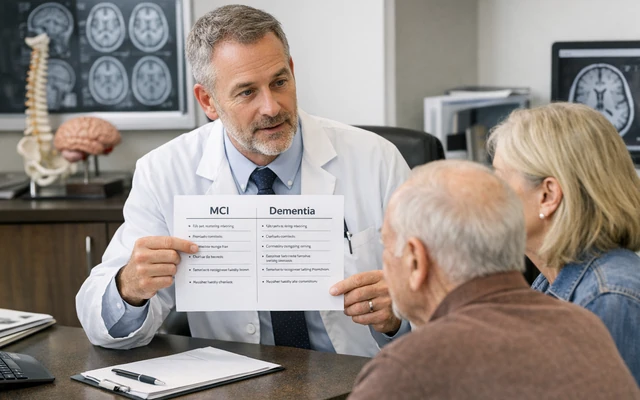
Difference Between MCI and Dementia: What Families Should Know
Learn the difference between mild cognitive impairment and dementia, including symptoms, daily impact, and when to seek clinical evaluation.

Early Signs of Cognitive Decline: What to Watch For
Learn common early signs of cognitive decline, how they differ from normal aging, and when to discuss memory changes with a clinician.

When to Get Cognitive Testing: A Practical Timeline for Adults and Families
Learn when to get cognitive testing, what warning patterns matter, and how to choose the right next step without waiting for a crisis.

Normal Aging vs. Early Cognitive Decline: How to Tell the Difference
Learn the difference between typical age-related memory changes and early cognitive decline, plus practical steps for when to seek a cognitive evaluation.

Is Forgetting Names Normal as You Age?
Learn when occasional name-forgetting is typical aging and when it may be a sign to discuss memory testing with a clinician.

Cognitive Testing: What It Is, What It Measures, and What Scores Mean
Cognitive testing measures memory, attention, language, and problem-solving. Learn what a cognitive test involves, what scores mean, and when to get one.

The Cognitive Testing Guide: Choosing a Test and Planning Next Steps
An orientation guide to cognitive testing: how to choose between screening, at-home, and neuropsychological options, what each costs, and where to go next.
A little clarity in your inbox.
One calm, clinician-reviewed read a week on brain health and cognitive care. No alarmism, no spam — unsubscribe anytime.
By subscribing you agree to our Privacy Policy. We never share your information.